
SINCE 2012
995 975 0006
NID, NATA, CEED, NIFT COACHING CENTRE
☰
SINCE 2012
NID, NATA, CEED, NIFT COACHING CENTRE

JEE
Paper II (Barch)
JEE-2 (JOINT ENTRANCE EXAMINATION FOR B.ARCH/B.PLANNING)
2019 JEE-2 exams has seen a directive or examination conducted moving responsibility from CBSE in the past towards NTA (NATIONAL TESTING AGENCY), (in institutions other than IIT) an independent autonomous and self-sustained premier testing organization under society Registration Act 1860 towards conducting efficient, transparent and international standards test for assessing the competency of candidates for admissions to premier higher education Institutes in B. Arch & B. Planning( NIT,SPA,CEPT & all central funded institutes other than IIT) .The responsibility for the same has been entrusted by the Department of Higher Education, MHRD, to NTA from 2019 onwards. The year 2017-18 witnessed a total of 11,235 students appearing for JEE examinations
GOOD NEWS
-
Asritha K

Barch – 51 Rank
JNAFAU Hyderabad -
N Deekshitha
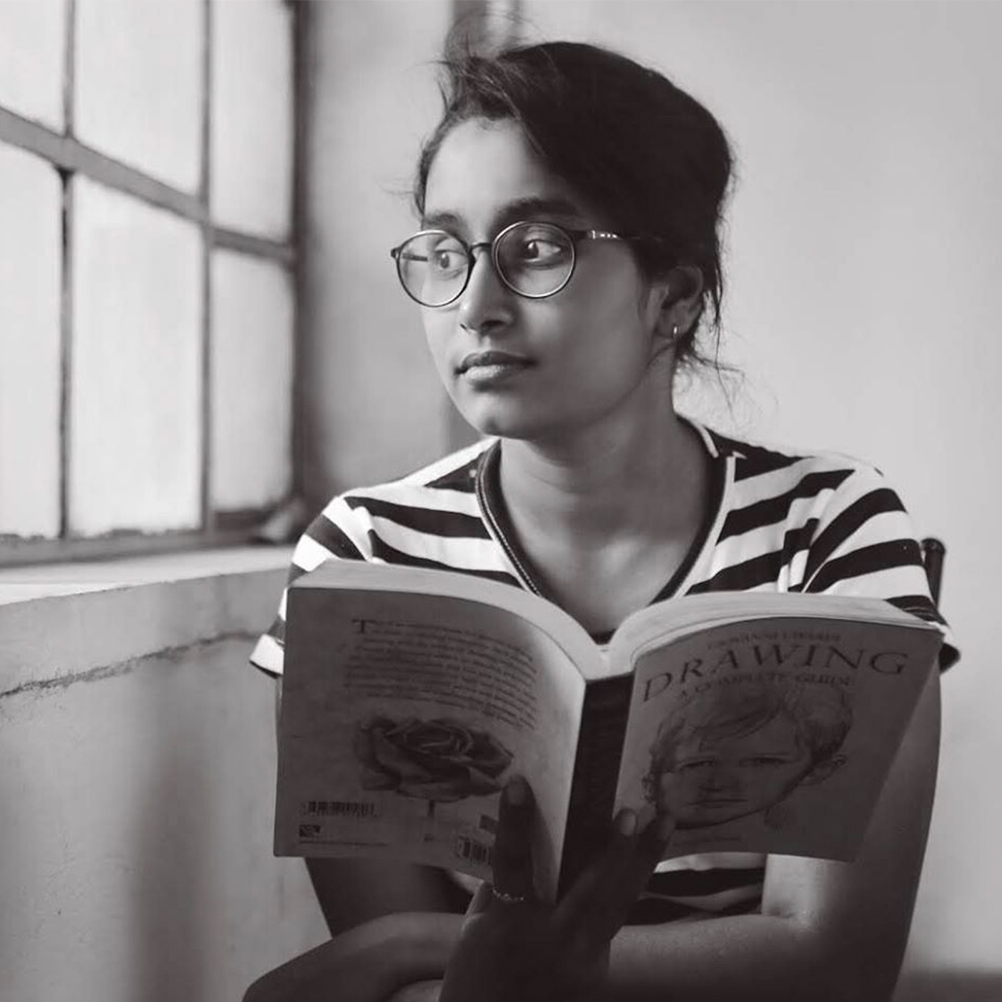
Barch – SPA
Delhi -
Nithika M
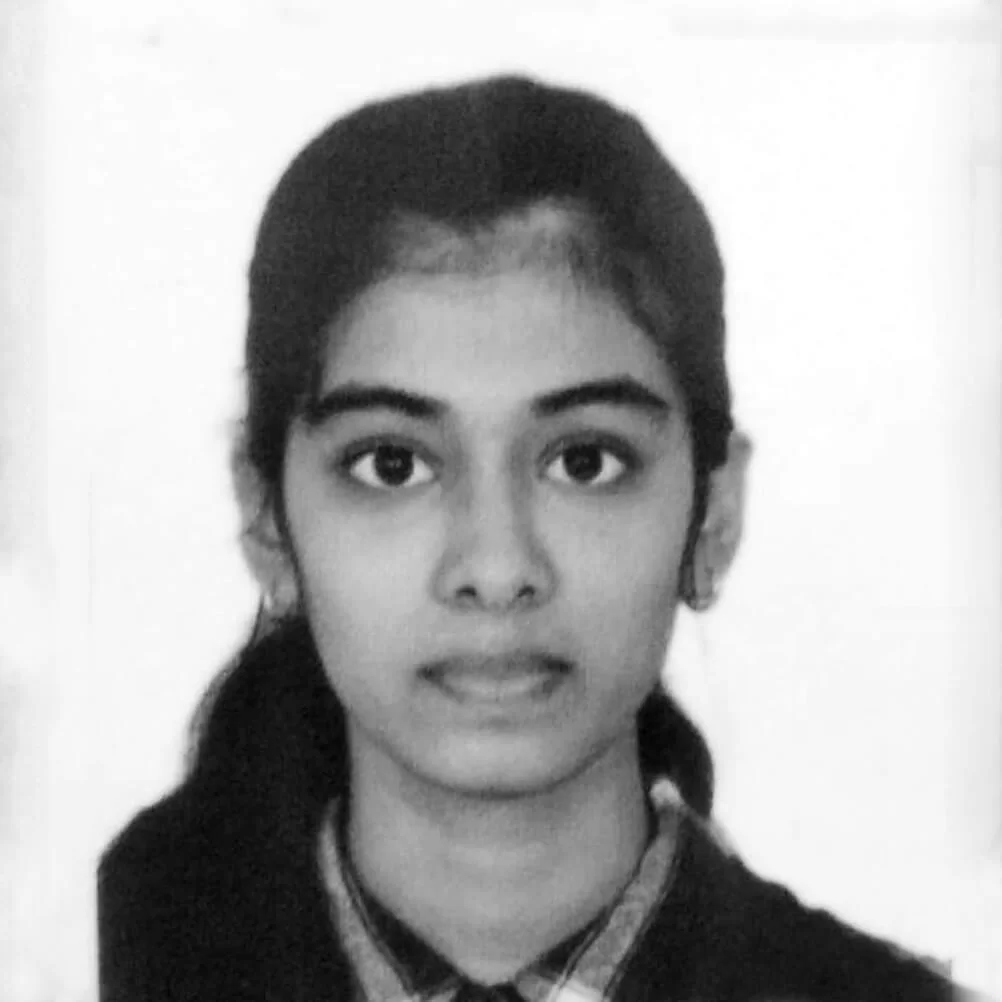
5th Rank
JNAFAU Hyderabad -
Drithi Menon

1st Rank (AIR)
CEPT Ahmedamad -
Shriya Reddy

Barch – 108 Rank (AIR)
SPA DELHI -
Aadarsh Reddy

CEPT
Ahmedabad -
Sandheep Rajkumar

B Arch- VIT
Vellore -
Sandheep Rajkumar
B Arch- VIT
Vellore -
Sandheep Rajkumar
B Arch- VIT
Vellore

FAQ'S
JEE Main Paper 2 is the entrance examination for admission to Bachelor of Architecture (B.Arch) programmes offered by NITs, SPAs, IIITs (where applicable), Centrally Funded Technical Institutions (CFTIs), and several other participating architecture colleges across India. The exam assesses Mathematics, Aptitude, and Drawing skills required for architecture education.
Students who have completed or are appearing for Class 12 with the required subjects and meet the eligibility criteria announced for the admission year can apply. Since eligibility requirements may change, students should always refer to the latest official admission guidelines before applying.
Yes. Mathematics is a compulsory subject for students seeking admission to B.Arch programmes through JEE Main Paper 2. Students should also verify the complete eligibility criteria for their preferred colleges before applying.
JEE Main Paper 1 is conducted for admission to B.E. and B.Tech programmes, whereas JEE Main Paper 2 is meant for students seeking admission to Bachelor of Architecture (B.Arch). Paper 2 evaluates Mathematics, Aptitude, and Drawing, while Paper 1 focuses primarily on Physics, Chemistry, and Mathematics.
Yes. Many students prepare for both exams because they share common topics such as architectural aptitude, drawing, visualization, and creative thinking. Additional preparation is then focused on the specific exam pattern of each entrance examination.
The course includes architectural drawing, perspective drawing, freehand sketching, Mathematics, aptitude preparation, visualization, spatial reasoning, memory drawing, creative problem-solving, previous years' question discussions, mock tests, and time management strategies.
Yes. The coaching programme covers both Mathematics and Drawing, along with aptitude preparation, ensuring students receive comprehensive guidance for all major sections of the examination.
Yes. Drawing plays an important role in assessing creativity, observation, visualization, perspective, and spatial understanding. Regular practice helps students improve speed, accuracy, and presentation.
Students are assessed through regular Mathematics tests, drawing assignments, aptitude practice, mock examinations, previous years' questions, and personalised feedback sessions.
Yes. Faculty members provide individual feedback on perspective, composition, proportions, line quality, creativity, and presentation to help students improve consistently.
Absolutely. Many students start with little or no formal drawing experience. The course begins with fundamental concepts and gradually develops drawing skills, visualization, and architectural aptitude.
Starting in Class 11 is ideal because it allows students to build both their Mathematics and drawing skills gradually. However, many students also begin in Class 12 and perform well with dedicated preparation.
Yes. Students receive Mathematics worksheets, drawing practice sheets, aptitude exercises, assignments, previous years' question discussions, mock tests, and regular faculty guidance.
Some common mistakes include:
Ignoring Mathematics and focusing only on drawing.
Neglecting regular sketching practice.
Not solving previous years' papers.
Poor time management during the exam.
Ignoring aptitude preparation.
Starting preparation too late.
Not practising perspective drawing consistently.
A balanced preparation strategy covering Mathematics, Drawing, and Aptitude usually produces the best results.
Most students benefit from one to three hours of focused daily preparation, including Mathematics revision, drawing practice, aptitude exercises, and regular mock tests.
MAD School offers weekday and weekend batches that help students balance school studies with architecture entrance preparation. Many students successfully prepare for both simultaneously.
Yes. Students and parents can contact MAD School to enquire about demo classes, counselling sessions, or classroom interactions before enrolling.
Students can join throughout the year depending on the batch schedule. Faculty members recommend a suitable batch based on the student's preparation level and examination timeline.
MAD School offers long-term, one-year, short-term, weekend, and crash courses depending on the student's academic year and preparation requirements. During counselling, mentors help students choose the most suitable programme.
MAD School combines Mathematics preparation with architectural drawing, aptitude training, mock tests, personalised mentoring, and regular feedback. Students are guided not only to perform well in the entrance examination but also to build the creative and analytical skills needed for architecture school.
JEE Main Paper 2 scores are accepted by NITs, Schools of Planning and Architecture (SPAs), and several other participating architecture institutes. Admission depends on eligibility, counselling, rank, seat availability, and the admission rules applicable for that year.
Both exams are competitive but differ in their emphasis. JEE Main Paper 2 generally places greater emphasis on Mathematics alongside aptitude and drawing, whereas NATA focuses more on architectural aptitude, drawing, visualization, and observation. Many architecture aspirants prepare for both exams.
Students should regularly practise:
Perspective drawing
Building sketches
Human figures
Street scenes
Interior spaces
Outdoor landscapes
Geometrical compositions
Memory drawing
Objects from different viewpoints
Creative compositions
Regular practice helps improve confidence and presentation during the examination.
A Bachelor of Architecture can lead to careers as an Architect, Urban Planner, Interior Designer, Landscape Architect, Sustainable Design Consultant, Urban Designer, Project Manager, Construction Consultant, Set Designer, Heritage Conservation Specialist, and many other roles. Graduates may also pursue higher studies or start their own architectural practice after meeting the applicable professional requirements.
JEE Main Paper 2 is one of the major pathways to B.Arch programmes in India. Students may also qualify through other recognised architecture entrance examinations accepted by different institutions. The right entrance exam depends on the colleges you wish to apply to.
OTHER COURSES
At MAD School, there's more to discover. Take a look at other courses that we offer, which include NID, NATA, CEED, UCEED, and BFA programs. These courses offer exciting paths for those wanting to attempt other entrance exams as well. Jump into these opportunities and develop your skills and grab that seat in your dream design college.


