Is NID Mains Tougher than NID Prelims?
Getting admission into the National Institute of Design (NID) is a dream for thousands of creative students across India. Every year, students who aspire to build a career in design prepare for the NID Design Aptitude Test (DAT), which is the gateway to NID’s prestigious design programs.
The NID entrance exam is conducted in two stages — NID DAT Prelims and NID DAT Mains. Many students preparing for the exam often ask:
“Is NID Mains tougher than NID Prelims?”
The short answer is yes, NID Mains is generally considered more challenging, but both stages test different aspects of a candidate’s design ability. Understanding the difference between these two stages can help students prepare more effectively.
Let’s break it down.
Understanding the NID Entrance Exam Process
The NID admission process is designed to evaluate creativity, observation skills, problem-solving ability, and design thinking. It is not just about drawing skills — the exam tests how students think, observe, and solve visual problems.
The NID entrance exam takes place in two stages:
- NID DAT Prelims
- NID DAT Mains
Only students who qualify for the Prelims exam are shortlisted for the Mains stage.Since the number of applicants is extremely high, clearing the prelims itself is competitive.
What is NID DAT Prelims?
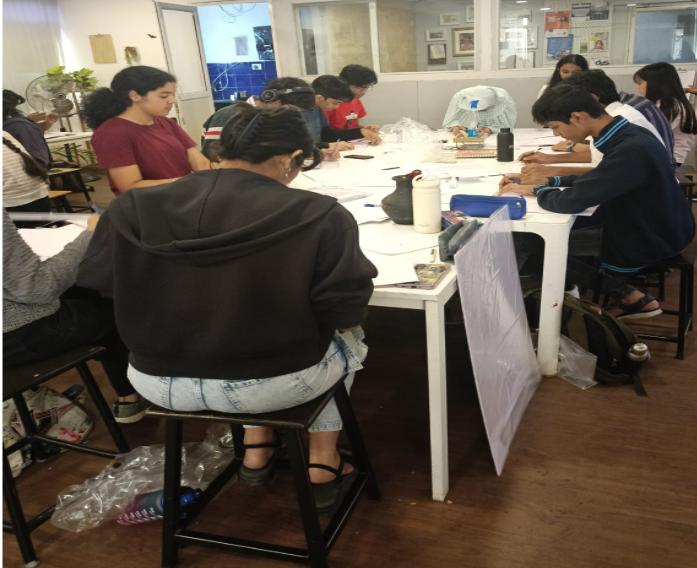
NID DAT Prelims entrance exam is the first stage of the entrance exam and is conducted as a written test.
This stage evaluates a student’s creative thinking, visualisation ability, observation skills, and design awareness.
Sections in NID DAT Prelims
The prelims paper usually includes:
- Sketching and drawing questions
- Visualisation exercises
- Creativity-based questions
- Design aptitude questions
- Problem-solving tasks
- Storyboard or scenario-based questions
Students may also encounter questions that test:
- Observation skills
- Memory drawing
- Logical thinking
- Understanding of everyday design problems
Unlike traditional exams, the answers are subjective and creativity-driven, which means there is no single correct answer.
Why Students Find Prelims Difficult
Some students struggle with NID DAT Prelims because:
- Questions are unexpected and conceptual
- Creativity is judged subjectively
- Time management becomes difficult
- Students must think and draw quickly
However, with regular sketching practice and exposure to previous year questions, students can prepare well for this stage.
Related: What are the B.Design specializations available in NID?
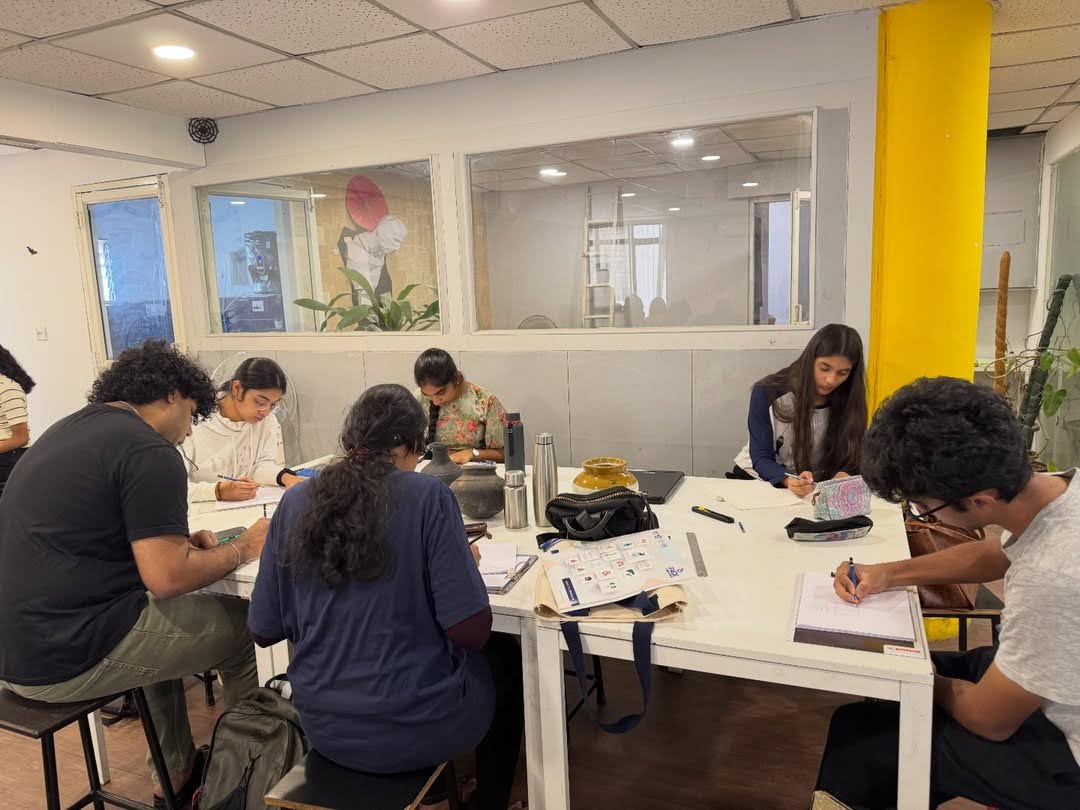
What is NID DAT Mains?
Students who qualify in the prelims move to the NID DAT Mains, which is the final stage of the selection process.
NID Mains focuses more on practical design ability, creativity, communication skills, and personality.
Components of NID DAT Mains
The Mains stage may include:
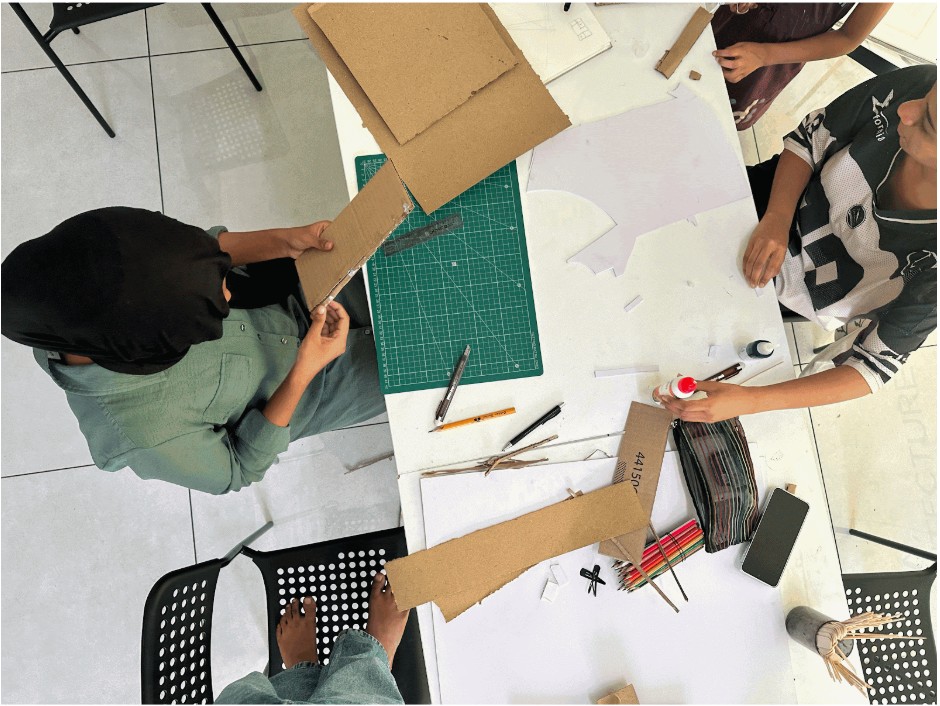
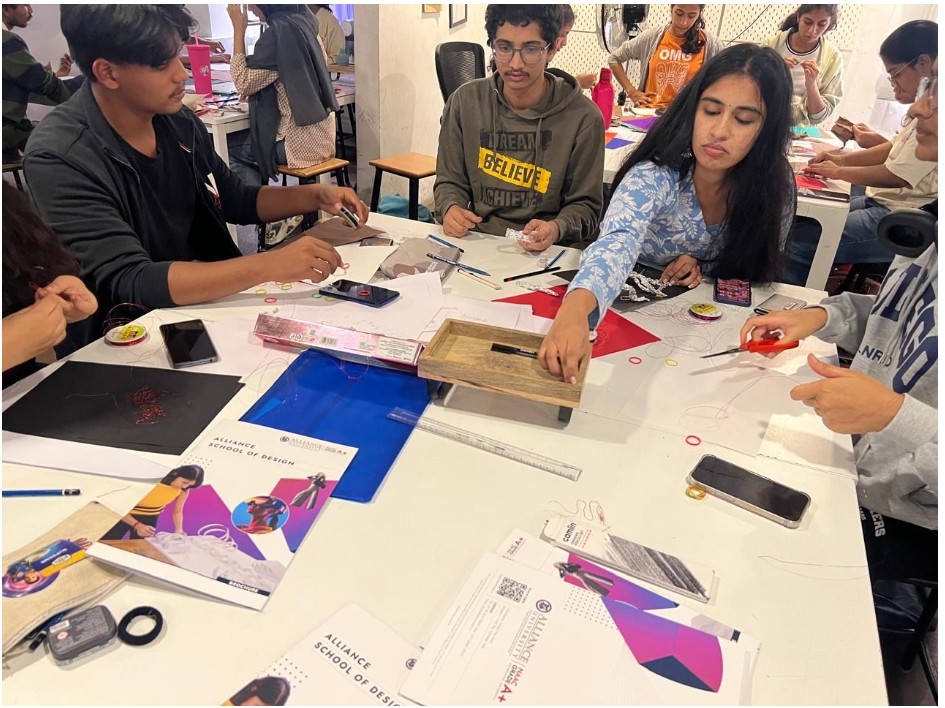
Students are given hands-on tasks that may involve:
- Model making
- Craft exercises
- 3D composition
- Material handling
- Creative problem solving
Students may be asked to work with materials such as:
- Paper
- Clay
- Wires
- Cardboard
- Foam sheets
- Fabric or everyday objects
Portfolio Review
Students may be asked to present a portfolio of creative work, which can include:
- Sketches
- Paintings
- Craft work
- Photography
- Design projects
- Personal creative explorations
Personal Interview
During the interview round, the panel may ask questions about:
- Your interest in design
- Your portfolio
- Your inspirations
- Your design thinking process
- General awareness and creativity
This stage evaluates whether the candidate is genuinely passionate about design.

Why NID Mains is Considered More Difficult
While both stages are challenging, NID Mains is usually tougher for several reasons.
1. Practical Creativity is Tested
Unlike the prelims, which is mostly paper-based, NID Mains requires students to physically create models or design solutions.
Students must demonstrate:
- Innovation
- Concept development
- Craftsmanship
- Time management
2. Real-Time Problem Solving
Studio tests often involve unexpected challenges where students must quickly develop ideas and execute them creatively.
3. Communication Skills Matter
In interviews and group discussions, students must clearly explain their ideas, concepts, and creative thinking.
4. Personality Evaluation
The interview panel also evaluates:
- Confidence
- Curiosity
- Design awareness
- Ability to think differently
This makes the selection process much more comprehensive than the prelims exam.
Key Differences Between NID Prelims and NID Mains
| Aspect | NID DAT Prelims | NID DAT Mains |
|---|---|---|
| Type of exam | Written test | Studio test + interview |
| Focus | Design aptitude | Practical creativity |
| Evaluation | Sketching & problem solving | Hands-on design tasks |
| Competition | Very high | Extremely selective |
| Skills tested | Visualisation | Execution and thinking |
Both stages are important, but Mains determines the final selection.
How to Prepare for NID Prelims and Mains
Preparing for NID requires regular practice, creative exploration, and the right guidance. A balanced approach towards both prelims and mains can significantly improve your performance.
1. Practice Sketching Daily
Students should consistently work on:
- Object sketching
- Perspective drawing
- Memory drawing
- Human figures
- Storyboard sketches
Speed and clarity are important, as design exams require quick thinking and execution.
2. Improve Observation and Visualization Skills
Design exams often test how well you observe and interpret the world around you.
Try:
- Sketching from real-life objects
- Observing product designs
- Analyzing posters, advertisements, and packaging
For detailed guidance, check out How to improve your visualisation and observation skills for NID Mains 2027
3. Develop Design Thinking
Design is essentially problem-solving. Students should focus on:
- Idea generation
- Concept development
- Creative storytelling
- Visual communication
4. Practice Studio Test Exercises
For NID Mains preparation, hands-on practice is essential. Work on:
- Paper model making
- 3D compositions
- Material experiments
- Craft exercises
This helps improve both creativity and execution skills.
5. Build a Strong Portfolio
A strong portfolio should highlight:
- Creativity
- Original ideas
- Personal projects
- Variety of mediums
Avoid copying others’ work and focus on showcasing your unique creative process.
Role of NID Coaching in Exam Preparation
Since the NID entrance exam is highly competitive, many students opt for structured coaching programs.
A good coaching institute helps with:
- Understanding the exam pattern
- Practicing NID-style questions
- Improving sketching skills
- Preparing for studio tests
- Portfolio development
- Interview preparation
At MAD School, students receive comprehensive coaching for NID, NIFT, UCEED, CEED, and other design entrance exams.
The program focuses on:
- Creative thinking
- Sketching practice
- Mock tests
- Portfolio building
- Studio test training
- Personal mentoring
This structured approach builds confidence and improves overall performance. Also see, how to prepare for NID Studio test 2026 Round 2: Explained in detail
Final Thoughts
Both NID DAT Prelims and NID DAT Mains present unique challenges.
- Prelims focuses on creativity and visual thinking on paper
- Mains evaluates practical design skills and personality
While prelims shortlists candidates, NID Mains ultimately decides final selection.
With consistent effort, creative practice, and proper guidance, students can clear both stages successfully and secure admission into top design institutes.
If you are preparing for the NID Entrance Exam 2026, enrolling in a structured coaching program can be highly beneficial.
At MAD School, students get expert guidance, hands-on training, and a creative learning environment tailored for NID entrance preparation.
| NID Coaching in Hyderabad | NID Coaching in Chennai |
| NID Coaching institute in Ernakulam | NID Coaching in Calicut |
FAQS
Yes, most students find NID DAT Mains tougher than Prelims because it evaluates practical design ability, creativity, communication skills, and problem-solving through studio tests and interviews. While prelims focuses mainly on sketching and design aptitude, the mains stage tests real-time creativity and execution.
Students who qualify for NID DAT Prelims are shortlisted for NID DAT Mains, which includes a studio test and personal interview. The final selection for NID admission is based on the combined performance in both stages.
The NID Studio Test is part of the NID DAT Mains exam where students complete hands-on design tasks. These may include model making, creative problem-solving, craft exercises, and 3D compositions using materials such as paper, clay, cardboard, or wire.
Students can prepare for NID Mains by practicing studio test exercises, improving model-making skills, building a strong portfolio, and learning to communicate their design ideas clearly. Mock studio tests and mentorship from experienced design faculty can also help.
While self-study is possible, many students choose NID coaching institutes to receive structured guidance, practice assignments, portfolio development support, and mock tests that simulate the actual exam pattern.